2025-07-29
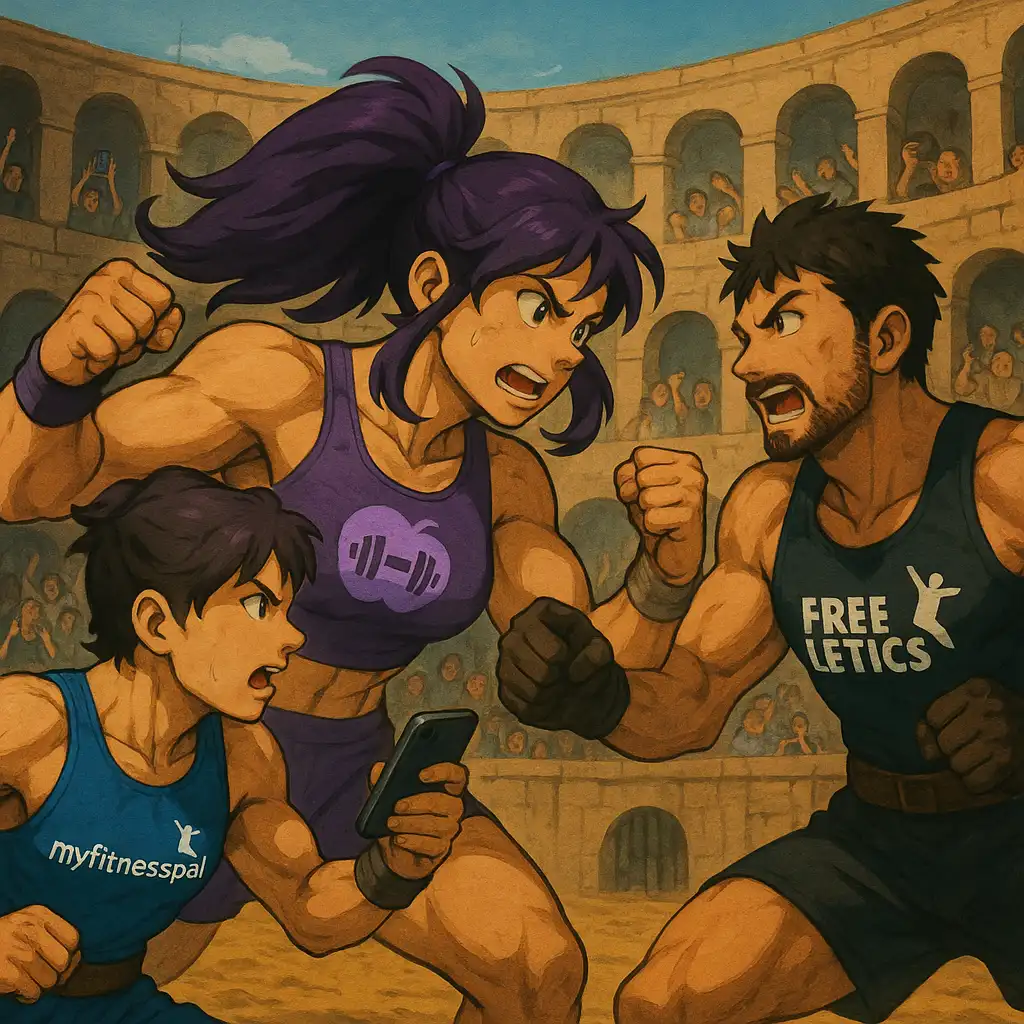
PonteFuerteAI vs MyFitnessPal vs Freeletics: 2025 Comparison
Discover the best calorie counter app to lose weight between all the options on the App Store.
Read Article
Personal trainer & software developer · 2026-07-30
Meal prep for weight loss means cooking your meals in batches ahead of time, portioned to hit a specific calorie and protein target, so you never have to decide what to eat while you're hungry. Instead of a vague "eat clean" plan, you end up with 3-5 pre-portioned meals in the fridge that already fit your calorie deficit — no decisions left to make at 7pm when you're tired and the drive-through is easier.
Below is the exact process: how many meals to prep, a beginner-friendly template with real portions, how long prepped food actually lasts, and the mistakes that quietly stall weight loss even when the food looks "healthy."
Prep 2-3 meals at a time (not all 7 days at once when you're starting out), build each plate around a lean protein + a measured carb + vegetables, and portion by weight or a food-logging app — not by eye. Most beginners fail at meal prep not because of the cooking, but because they never actually confirm the calories in each container.
"Eating clean" fails as a weight loss strategy because it doesn't control portions — you can overeat almond butter and salmon just as easily as pizza. Meal prep works because it removes two things that sabotage a calorie deficit: decision fatigue and portion guessing.
When the meal is already made and already portioned, the only decision left is whether to eat it or not. There's no scanning the fridge while hungry, no "just this once," and no recalculating calories after the fact. The deficit is built in before you're ever hungry enough to make a bad call.
Start with 2-3 meals per prep session, not a full week. A week of identical containers is the single biggest reason beginners quit meal prepping — by Thursday the food is unappealing and they order out anyway, which defeats the entire point.
Use this as a starting structure, not a rigid menu — swap the protein, carb, and vegetable for whatever you actually enjoy and will eat again in three days.
| Meal | Example | Approx. calories | Protein |
|---|---|---|---|
| Breakfast | Greek yogurt (200g) + oats (40g) + berries | ~350 kcal | ~28g |
| Lunch | Chicken breast (150g) + rice (150g cooked) + vegetables | ~480 kcal | ~40g |
| Dinner | Ground turkey (150g) + sweet potato (200g) + green beans | ~450 kcal | ~35g |
| Snack | Cottage cheese (150g) + fruit | ~180 kcal | ~18g |
That template lands around 1,460 calories and 120g of protein — adjust portion sizes up or down to match the target you calculated in step 1.
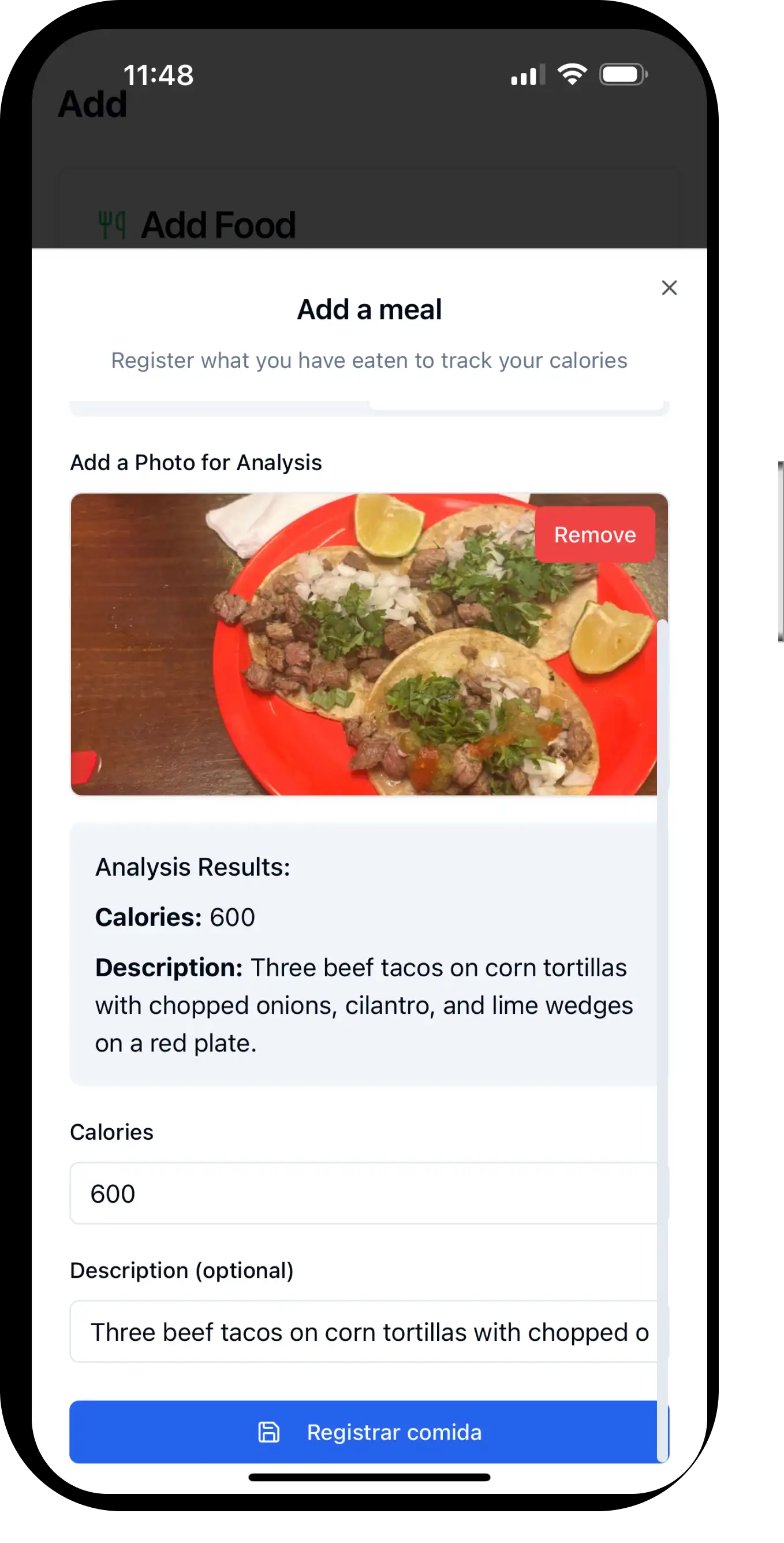
The hardest part of meal prep isn't the cooking — it's knowing whether the portion in front of you actually matches your calorie target. PonteFuerteAI's AI photo food logging lets you snap a photo of your prepped container and get an instant calorie and macro estimate, so you catch portion drift before it adds up over a week. Combined with a personalized plan that sets your calorie and protein target automatically, it removes the guesswork from both sides of meal prep: what to cook, and how much of it to eat.
Start with 5 lunches or 5 dinners, not all 21 meals of the week. Once that single meal is consistently prepped for 2-3 weeks, add a second meal. Trying to prep every meal from day one is the most common reason beginners quit within the first two weeks.
Partially. Meal prep controls portions better than eating on the fly, which helps by default. But without ever checking the actual calories of your base recipe at least once, you can still build a "healthy" meal prep that's too high in calories to produce a deficit. Check the calories once when you design the template, then you can prep on autopilot afterward.
Almost always cheaper. A batch-cooked lunch typically costs $3-5 per portion versus $12-18 for a comparable takeout meal. The upfront grocery bill looks bigger than a single fast food order, but it covers 5 meals, not one.
Glass containers with divided compartments hold up best for reheating and don't stain or absorb odors like plastic. Divided compartments also make portioning easier since each section acts as a built-in size guide for protein, carb, and vegetable.
➡️ Download PonteFuerteAI and log your meal prep in seconds with a photo
Written by
Alberto MenéndezPersonal trainer · Software developer · Founder of PonteFuerteAI
Over 10 years of training experience across three continents. Certified personal trainer who coached clients in Spain, India, and Japan before building PonteFuerteAI — the all-in-one AI fitness app he always wished existed.
Read full story →Download PonteFuerte AI today and join thousands who are already achieving their goals with the help of our artificial intelligence.
 ▶Google PlayFree Personal Plan
Discover the best calorie counter app to lose weight between all the options on the App Store.
Read Article
We compare 11 of the best AI workout apps for missed sessions, travel, gym equipment, strength progression, nutrition tracking, and real-life adaptation.
Read Article
Discover the complete guide to lose weight without losing your mind and get the best results.
Read Article