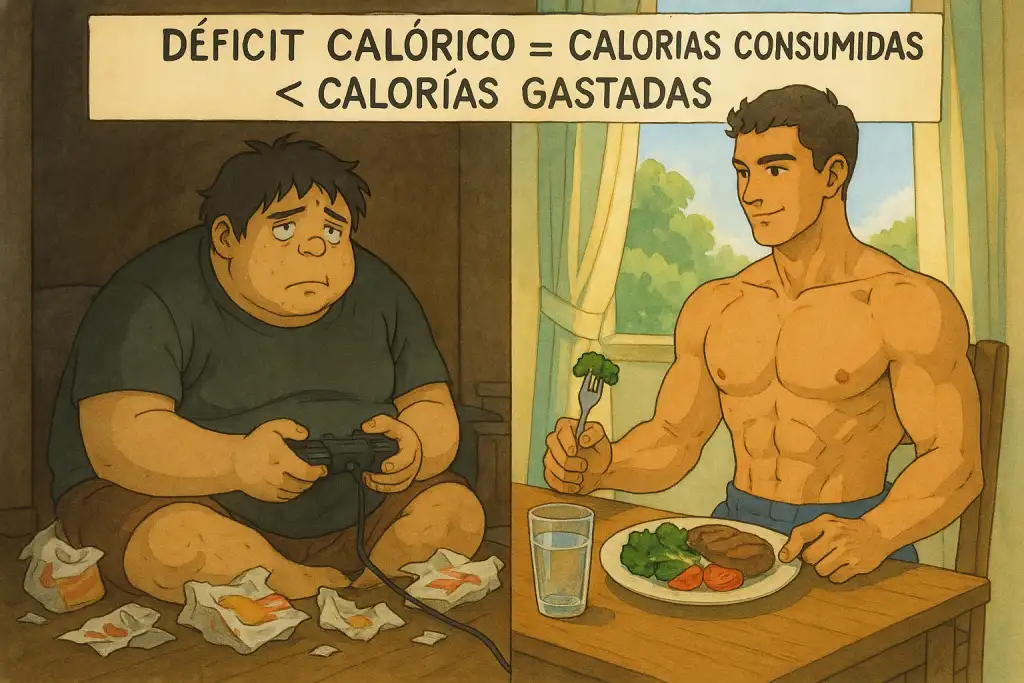
Counting macros is the upgrade from simply counting calories. Instead of only tracking total calorie intake, you track the three macronutrients — protein, carbohydrates, and fat — that make up those calories. Done right, macro tracking produces better body composition results than calorie counting alone.
This guide walks you through everything a beginner needs to start tracking macros effectively.
Quick answer
To count macros for weight loss: set a calorie deficit, target 0.7-1g of protein per pound of bodyweight first, keep fat at 25-35% of calories, and fill the rest with carbs. Tracking protein specifically — not just total calories — is what separates macro counting from basic calorie counting and produces better body composition results.
What Are Macros?
Macronutrients are the three major nutrients that provide energy:
- Protein: 4 calories per gram. Builds and repairs muscle tissue. The most important macro for body composition.
- Carbohydrates: 4 calories per gram. Primary fuel source for high-intensity exercise and brain function.
- Fat: 9 calories per gram. Essential for hormone production, vitamin absorption, and brain health.
A standard nutrition label shows all three. The total calories equal protein grams × 4 + carb grams × 4 + fat grams × 9.
Step 1: Calculate Your Calorie Target
Macro targets start with your total calorie goal. For weight loss, you need a calorie deficit.
- Calculate your TDEE (Total Daily Energy Expenditure) using the Mifflin-St Jeor formula or an online calculator
- Subtract 300–500 calories for a moderate deficit (0.5–1 lb per week loss)
- That number is your daily calorie target
Example: A 160 lb, 5'6" woman, 32 years old, moderately active has a TDEE of approximately 2,100 calories. Her weight loss calorie target: 1,600–1,800 calories/day.
Step 2: Set Your Protein Target First
Protein is the most important macro for weight loss because it preserves muscle, increases satiety, and has the highest thermic effect of any macronutrient (you burn more calories digesting it).
Target: 0.7–1 gram of protein per pound of bodyweight (or 1.6–2.2 g per kg).
For a 160 lb person: 112–160 g of protein per day. Start at the lower end and adjust upward if you are losing muscle (strength declining in the gym).
Step 3: Set Your Fat Target
Fat is the minimum viable macro — you need enough for hormone production and overall health, but you do not need large amounts. A practical range: 25–35% of total calories from fat.
Example at 1,700 calories: 25% of 1,700 = 425 calories from fat. 425 ÷ 9 = 47 g of fat per day as the lower bound.
Do not go below 0.3 g per lb of bodyweight — too little fat impairs hormone production, including testosterone.
Step 4: Fill the Rest with Carbohydrates
Once protein and fat targets are set, carbs fill the remaining calories:
Remaining calories = Total calories − (Protein g × 4) − (Fat g × 9)
Carb grams = Remaining calories ÷ 4
Example: 1,700 cal total − 130 g protein (520 cal) − 50 g fat (450 cal) = 730 remaining calories ÷ 4 = 183 g carbs.
Final macro target: 130 g protein / 183 g carbs / 50 g fat = 1,700 calories.
What Foods to Prioritize
High-protein foods
Chicken breast, turkey, canned tuna, salmon, shrimp, eggs, egg whites, Greek yogurt 0%, cottage cheese, low-fat cheese, tofu, tempeh, lentils, chickpeas.
Carbohydrate sources
Oats, white and brown rice, sweet potato, regular potato, whole grain bread, pasta, fruit, beans. Eat the carbs that make you feel good and fit your preferences — there are no "bad" carbs in the context of a calorie deficit.
Fat sources
Olive oil, avocado, nuts, nut butter, fatty fish, eggs. Limit saturated fats from processed foods and fried items.
How to Actually Track Macros (Without Going Crazy)
Three practical approaches from least to most effort:
Option 1: Photo logging (lowest friction)
Take a photo of each meal. An AI app like PonteFuerteAI estimates the macros from the photo. Not perfect, but accurate enough for practical results and dramatically more sustainable than manual entry.
Option 2: Rough manual tracking
Log the main protein sources of each meal and roughly track total calories. If you are hitting your protein target and staying within your calorie range, the rest tends to take care of itself.
Option 3: Precise manual tracking
Weigh all food on a kitchen scale and enter every ingredient. Most accurate, but only worth doing if you have stalled and need precision to break through a plateau.
How Long Until You See Results from Macro Tracking?
If your targets are set correctly: visible changes in 3–5 weeks, meaningful body composition differences in 8–12 weeks. The scale may move within 1–2 weeks, but some of that is water weight. True fat loss is visible after 4+ weeks of consistent tracking.
Frequently Asked Questions
Is counting macros better than counting calories?
For body composition (losing fat while keeping muscle), yes. Calorie counting ensures you are in a deficit; macro tracking ensures the weight you lose comes from fat rather than a mix of fat and muscle.
Do I need to hit macros exactly every day?
No. Within 5–10 grams of your targets is close enough. Obsessing over exact numbers is counterproductive. Trends over a week matter more than daily precision.
Can I build muscle while counting macros for weight loss?
In beginners and people with higher body fat, yes — this is body recomposition. In leaner, more advanced trainees, it is very difficult. Most people see better results by choosing a primary goal (fat loss or muscle gain) and structuring macros accordingly.
What is the easiest macro tracking app?
For simplicity, PonteFuerteAI offers photo-based logging — the lowest-friction tracking method available. Traditional apps like MyFitnessPal require manual database searches; photo logging eliminates that step entirely.