Losing 20 pounds is one of the most common fitness goals in the world. It is also one of the most frequently failed. Not because it is impossible — it is entirely achievable for most people — but because most approaches are either too extreme to sustain or too vague to follow.
This guide gives you the realistic timeline, the exact numbers, and the practical strategy to lose 20 pounds and actually keep it off.
Quick answer
At a safe, sustainable rate of 1-2 pounds per week, losing 20 pounds takes 10-20 weeks (2.5-5 months). That means a calorie deficit of roughly 500-1,000 calories per day, combined with a protein target high enough to preserve muscle and some form of resistance training — not an extreme crash diet, which loses muscle along with the fat and tends to come back.
How Long Does It Take to Lose 20 Pounds?
At a safe, sustainable rate of 1–2 pounds per week:
- At 1 lb/week: 20 weeks (~5 months)
- At 1.5 lbs/week: 13–14 weeks (~3.5 months)
- At 2 lbs/week: 10 weeks (~2.5 months)
The 2 lb/week rate requires a daily 1,000-calorie deficit, which is aggressive and only appropriate for people who are significantly overweight. For most people, targeting 1–1.5 lbs per week is the sweet spot: fast enough to be motivating, slow enough to preserve muscle and avoid metabolic slowdown.
The Three Things That Actually Drive Fat Loss
1. A Consistent Calorie Deficit
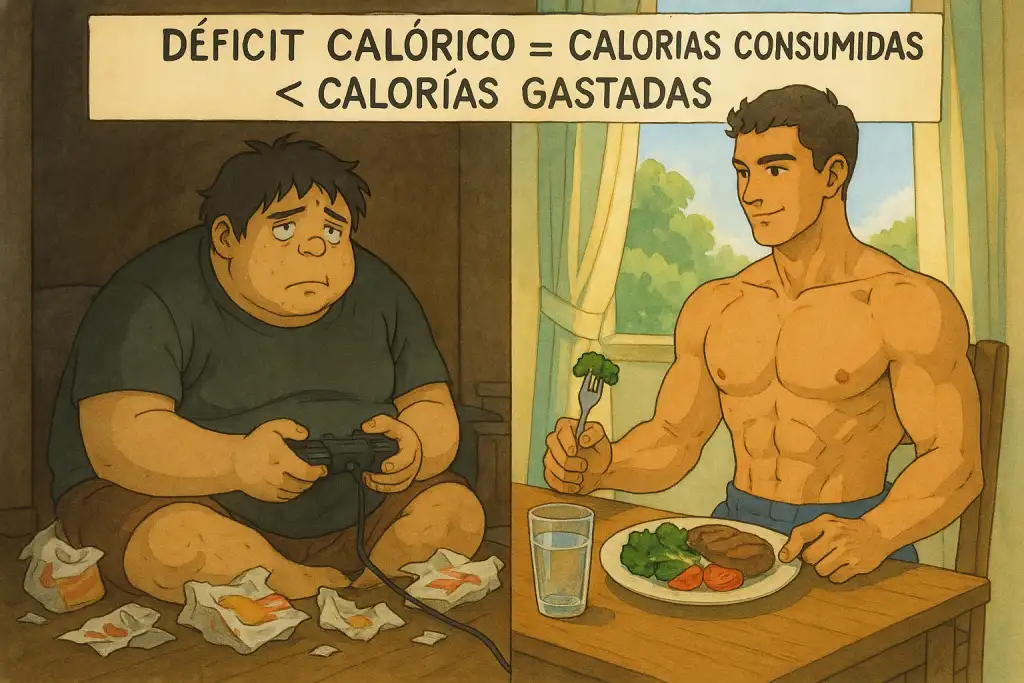
One pound of fat contains approximately 3,500 calories. To lose one pound per week, you need an average deficit of 500 calories per day. To lose 1.5 lbs/week, you need a 750-calorie daily deficit.
How to calculate your deficit:
- Estimate your maintenance calories (TDEE) using a calculator based on your weight, height, age, and activity
- Subtract 500–750 calories from that number
- That is your daily calorie target
For most people, this means eating 1,400–2,000 calories per day depending on size and activity level.
2. Enough Protein to Preserve Muscle
This is the most important nutrition variable that most people miss. When you lose weight without sufficient protein, you lose muscle alongside fat. The result: a lower scale number but a worse body composition.
Target: 0.7–1 gram of protein per pound of your goal bodyweight every day. For someone trying to weigh 150 lbs, that is 105–150 g of protein daily. This single variable determines whether you lose fat (with muscle preserved) or lose weight indiscriminately.
3. Strength Training
Cardio burns calories. Strength training sends the signal to your body to retain muscle while in a deficit. Without it, up to 25–40% of weight lost can come from muscle tissue rather than fat.
The prescription: 3–4 days per week of strength training (compound movements: squats, deadlifts, rows, presses) plus optional cardio on top. Do not do the opposite — cardio only — unless you want to lose strength alongside fat.
What to Eat: A Simple Framework
No need for an elimination diet. The foods that make losing weight easiest:
- Lean protein at every meal: chicken, turkey, fish, eggs, Greek yogurt, cottage cheese, tofu
- Vegetables as volume: they fill your plate with few calories and keep hunger manageable
- Minimally processed carbs: oats, rice, potatoes, fruit — these are not the enemy
- Limit but do not eliminate: ultra-processed foods, fried food, sugary drinks
You do not have to give up anything permanently. You have to be in a calorie deficit consistently. The simplest way to do that: build meals around a protein source and vegetables, then add carbs and fat to reach your calorie target.
A Sample Weekly Schedule
- Monday: Strength training (upper body)
- Tuesday: 30-min walk or light cardio
- Wednesday: Strength training (lower body)
- Thursday: Rest or light activity
- Friday: Strength training (full body)
- Saturday: Active recovery (hiking, sports, walking)
- Sunday: Rest
What Actually Derails Progress
- Weekend eating erasing the week's deficit: 5 days of 500-calorie deficit = 2,500 calorie weekly deficit. Two restaurant meals and a few drinks on the weekend can erase all of it.
- Not tracking at all: Research shows people underestimate their calorie intake by 20–40%. Without any tracking, staying in a deficit is mostly guesswork.
- Reacting to daily scale fluctuations: Water retention, hormonal changes, and food volume can swing your weight 2–5 lbs day to day. Judge progress over 2-week trends, not daily numbers.
- Going too aggressive too fast: Cutting to 1,000 calories causes fast initial loss, then severe hunger, bingeing, and rebound. Slow and steady is not just safer — it produces better long-term results.
Frequently Asked Questions
Is losing 20 pounds in a month possible?
Technically possible in extreme circumstances, but not safely or sustainably. A 20-pound loss in 30 days would require a 2,333-calorie daily deficit — essentially starvation for most people. The result would be significant muscle loss, nutritional deficiencies, and almost certain rapid regain. Do not attempt this.
Will I need to count calories forever?
No. Most people track during the weight loss phase to calibrate their sense of portions, then maintain by feel. After 3–6 months of tracking, most people develop an accurate intuitive sense of calorie content that sustains their results without ongoing logging.
What if the scale stops moving?
A plateau after several weeks usually means one of two things: your calorie intake crept up, or your TDEE dropped as you lost weight. Recalculate your deficit based on your new, lighter bodyweight and tighten up your tracking.
How does PonteFuerteAI help with losing 20 pounds?
PonteFuerteAI calculates your personalized calorie deficit, generates a strength training program to preserve muscle, and tracks your meals with AI photo scanning — removing the friction from all three pillars of fat loss simultaneously.
Ready to transform your weight loss journey?
Download PonteFuerte AI today and join thousands who are already achieving their goals with the help of our artificial intelligence.
 ▶Google PlayFree Personal Plan