
2025-07-29
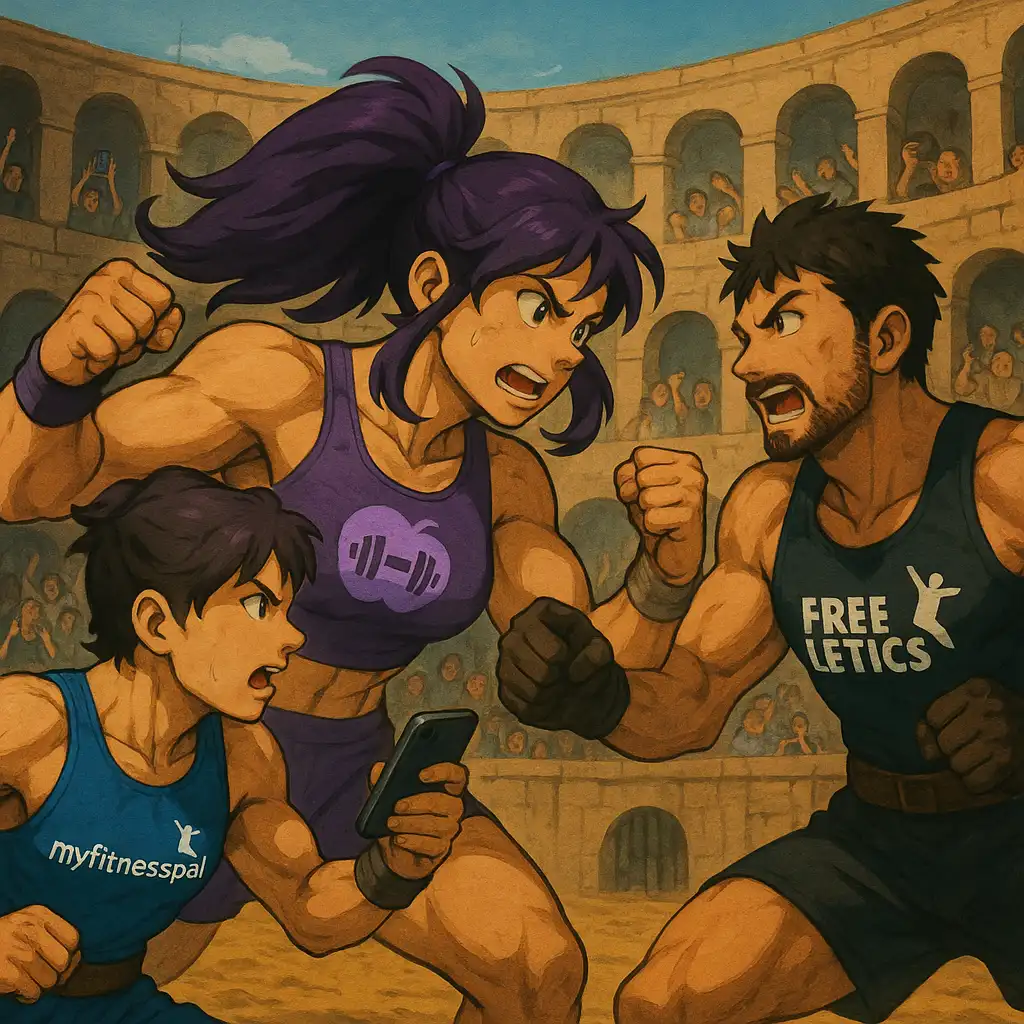
PonteFuerteAI vs MyFitnessPal vs Freeletics: 2025 Comparison
Discover the best calorie counter app to lose weight between all the options on the App Store.
Read Article
Personal trainer & software developer · 2025-05-01
It is the most debated question in fitness nutrition. Ask five people and you will get five answers: "1 gram per pound," "as much as possible," "0.8 grams per kilogram." The internet is full of bro-science, supplement company marketing, and genuinely conflicting studies.
This guide cuts through the noise and gives you the actual research-backed answer — along with a simple formula to calculate your personal target and the best foods to hit it.
To build muscle, aim for 0.7-1 gram of protein per pound of bodyweight (1.6-2.2g per kg) per day. A 2018 meta-analysis in the British Journal of Sports Medicine (Morton et al., 49 studies, 1,800 participants) found no additional muscle gain beyond roughly 1.62 g/kg — more than that range is unnecessary for almost everyone.
The most comprehensive meta-analysis on protein and muscle growth, published in the British Journal of Sports Medicine (Morton et al., 2018), analyzed 49 studies and 1,800 participants. The conclusion:
Protein intakes beyond 1.62 g per kg of bodyweight per day produced no additional muscle gain. The upper confidence interval was 2.2 g/kg, meaning some individuals may benefit from slightly more, but most do not.
In practical terms: 0.7 to 1 gram of protein per pound of bodyweight (1.6 to 2.2 g per kg) covers virtually everyone who trains for muscle growth.
Here is how to calculate your daily protein target in 30 seconds:
Examples by bodyweight:
If you are cutting (in a calorie deficit), aim for the higher end of the range to protect muscle. If you are bulking or at maintenance, the lower end is sufficient.
Short answer: less than you think. The "anabolic window" — the idea that you must consume protein within 30 minutes of training — has been largely debunked. What actually matters:
If your total daily intake is on target, the exact timing of each meal matters much less than most supplement companies want you to believe.
To hit 150 g of protein without powders, here is what that looks like in real food:
A sample day at 150 g protein: Greek yogurt at breakfast (20 g) + tuna for lunch (34 g) + cottage cheese snack (24 g) + chicken dinner (31 g) + eggs in the evening (12 g) = 121 g. Add one shake or extra serving and you hit the target easily.
No. Protein powder is convenient, not necessary. If you can hit your target through whole foods, you get additional nutritional benefits (vitamins, minerals, fiber) that shakes do not provide. Protein powder is most useful when:
False. Your body can absorb and use any amount of protein; it just processes it at different rates. Larger meals are digested more slowly. The 30 g "rule" has no strong scientific backing.
False. Beyond ~2.2 g/kg, additional protein does not produce more muscle. Excess protein is either used for energy or excreted. Save your calories for carbs that fuel performance.
Mostly false. Plant proteins are generally lower in leucine and some essential amino acids, but a varied plant-based diet with sufficient total protein builds muscle effectively. Vegans may need to target the higher end of the range (2.0–2.2 g/kg).
Knowing your target is one thing. Consistently hitting it every day is where most people fail. PonteFuerteAI makes it simple:
For most people who train for muscle growth: aim for 0.7–1 g of protein per pound of bodyweight (1.6–2.2 g/kg) per day. Spread it across 3–5 meals. Focus on whole food sources. Do not stress about timing. Track consistently.
The people who build the most muscle are not the ones with the perfect protein shake protocol — they are the ones who hit their daily target reliably, week after week, while training progressively. Consistency beats optimization.
Written by
Alberto MenéndezPersonal trainer · Software developer · Founder of PonteFuerteAI
Over 10 years of training experience across three continents. Certified personal trainer who coached clients in Spain, India, and Japan before building PonteFuerteAI — the all-in-one AI fitness app he always wished existed.
Read full story →Download PonteFuerte AI today and join thousands who are already achieving their goals with the help of our artificial intelligence.
 ▶Google PlayFree Personal Plan
Discover the best calorie counter app to lose weight between all the options on the App Store.
Read Article
The best calorie counter app isn't the one with the biggest food database — it's the one you'll still use in month 3. Here's what a 2025 systematic review found about adherence, and how the top apps compare.
Read ArticleHow long does it take to lose 20 pounds? What should you eat? How much should you exercise? A realistic, science-backed plan that actually works — without extreme diets.
Read Article